How to optimize your electricity costs: a guide for small and medium-sized businesses

Energy efficiency is the elimination of losses by using less energy to perform the same amount of work. This is possible through the automation of processes in offices, workshops, factories, etc. Many appliances and systems in buildings use more energy than they need. Most often, in offices, the reason for the overconsumption of electricity is forgotten lamps in storage rooms, forgotten turned on air conditioning, confused schedules of the heating system, etc. If an appliance is damaged, it spends more energy than usual, as it increases its revolutions in attempts to catch up with its work. This leads to inefficiency and loss of energy. Therefore, the Energy Audit is necessary for several key reasons related to energy efficiency, cost savings and sustainable development.
An energy audit is defined as a systematic study of the energy consumption of a production site, building, system or organization aimed at identifying energy flows and identifying the potential for increasing energy efficiency. It includes inspection of electrical installations to ensure their safety and compliance with standards. It helps to detect hidden faults and optimize electricity consumption. The Energy Efficiency Act (SEA) stipulates that energy audits are mandatory for all industrial enterprises with an annual energy consumption of more than 3000 MWh and for public buildings with an area of more than 250 m2.
The audit of electricity consumption also brings many other benefits for both low and high energy consumers. The purpose of the energy audit is to identify opportunities for energy saving, that is, it proposes solutions to reduce the energy costs of an organization. This leads to a direct improvement in profitability and an increase in competitiveness.
The energy auditor will check the seal around doors and windows, current insulation and many other features of the facilities that can affect heating and cooling. The results of the energy audit provide recommendations on how temperatures, air quality and the overall efficiency of the heating and cooling systems in the building can be improved.
ENERGO-PRO also offers several steps to optimize electricity costs:
Switch to LED lighting
- Replace old bulbs with LEDs — they use up to 80% less energy and have a longer life.
- Install motion sensors or timers in common areas.
Turn off appliances that are not in use
- Computers, printers and coffee machines often consume electricity in “standby mode”.
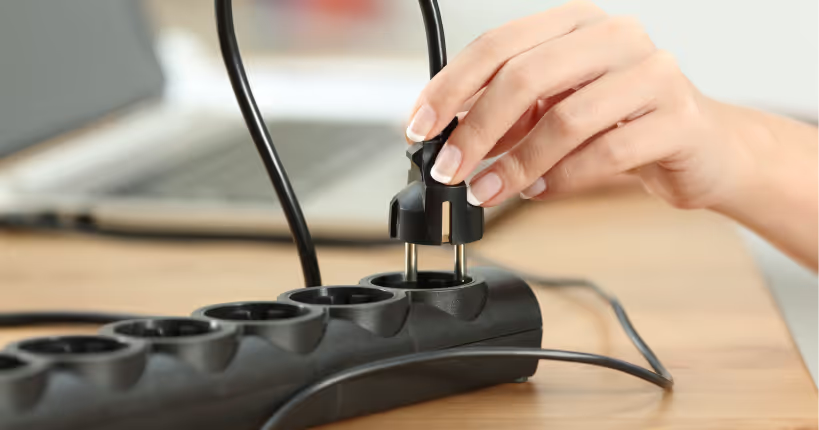
- Use push-button switches to easily disconnect several appliances at the same time.
Set up air conditioners and heating correctly
- Maintain a comfortable but not too high/low temperature (e.g. 21—23°C).
- Clean filters regularly for more efficient operation.
Use an energy-efficient technique
- If replacement is required — choose appliances with energy class B or higher.
- Check out the possibilities of leasing such appliances - it often comes out cheaper in the long run.
Optimize working hours
- Centralize busy processes (e.g. printing, charging devices) at specific times.
- If possible — plan energy-intensive activities outside the hours with more expensive electricity (if you are on a tariff plan with different time zones).
Check and analyze your accounts
- Keep an eye on your monthly consumption and look for sudden changes — they may indicate a hidden problem.
Consider changing a provider or tariff plan if the current one is not profitable.